C13 · Spiders
White-tailed Spider
Lampona cylindrata
Common Australian spider often blamed for necrotic ulcers. Bite is usually a mild local reaction, but can be painful.
- Size
- 12–18 mm
- Habitat
- Under bark, rocks, leaf litter — indoors in bedding
- Activity
- Year-round, nocturnal
Safety Warning
If a bite develops into a spreading ulcer or you feel generally unwell, see a doctor. The necrotic ulcer myth is largely debunked, but infection is always possible.
Overview
White-tailed spiders are wandering hunters — they don't build webs. They roam at night looking for other spiders to eat, and often end up in beds and clothing. Despite persistent myths, large-scale studies show their bite rarely causes the severe skin necrosis they're infamous for. Most bites result in local pain, redness and swelling that resolves in a few days.
How to identify
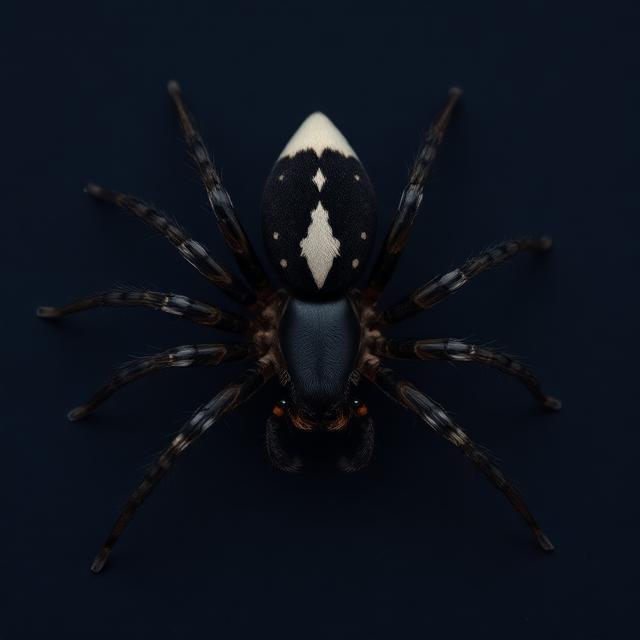
- Cigar-shaped body, dark grey to black with a distinct white tip on the abdomen
- Two pairs of light-coloured spots on the upper abdomen
- Long thin legs, fast moving
- Often found in bedding, towels left on the floor, and under furniture
General guidance only. Information on Home Pest Defence is provided for educational purposes and is not a substitute for professional advice. For termites, venomous spider bites, wasp nests in walls, or protected wildlife, contact a licensed pest controller, your GP, or the relevant state wildlife authority. In emergencies call 000; for poisoning call 13 11 26.