Australian Field Guide
What's
bugging you?

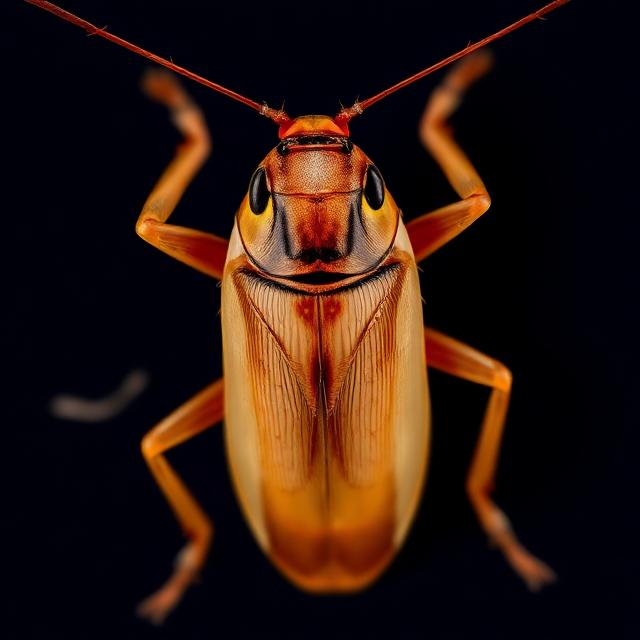
German Cockroach
Blattella germanica
Australia's most common indoor cockroach. Fast breeders that spread bacteria in kitchens.

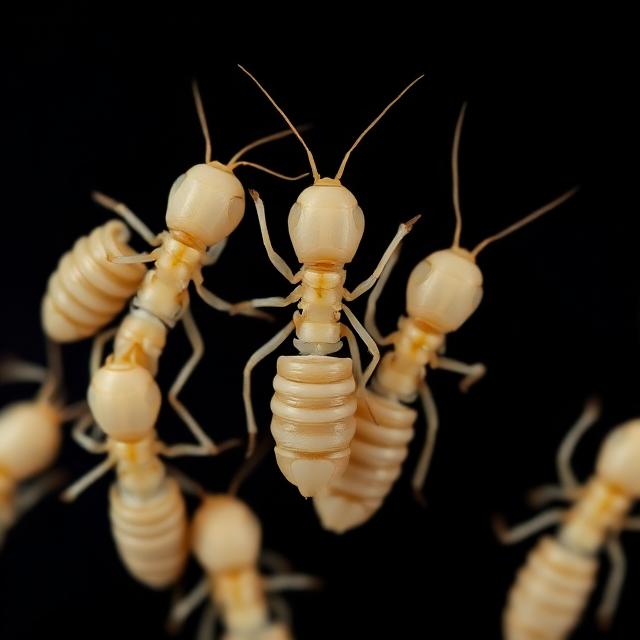
Subterranean Termites
The 'silent destroyer'. Causes more damage to Australian homes than fire, flood and storms combined.

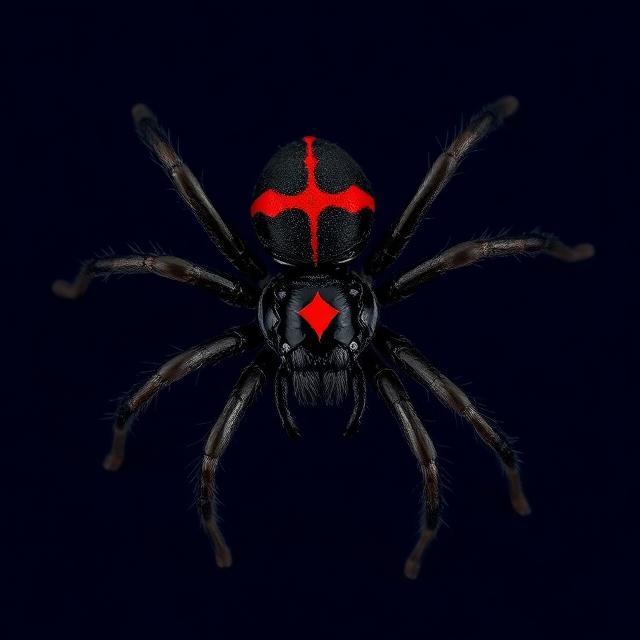
Redback Spider
Highly venomous native. Loves dry, undisturbed spots like sheds, letterboxes and outdoor furniture.

Huntsman Spider
Big, fast and scary-looking — but harmless and actually useful. Eats cockroaches and other pests.

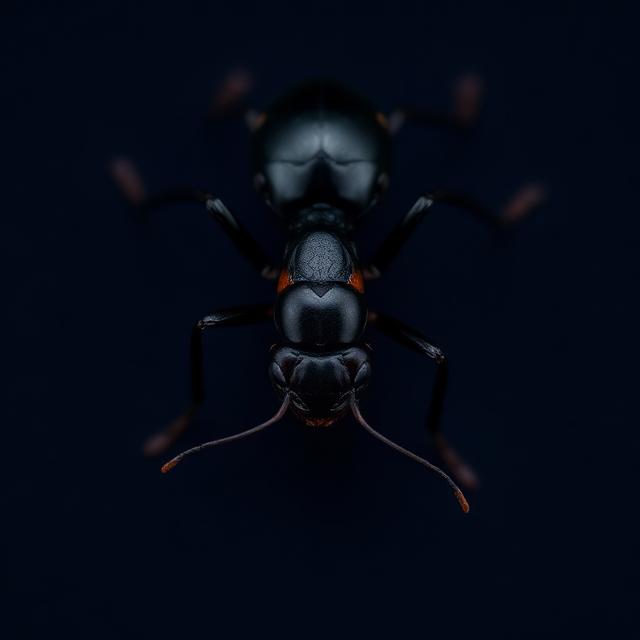
Black House Ant
Tiny shiny black ants attracted to sweets and grease. The most common kitchen ant in Australian homes.

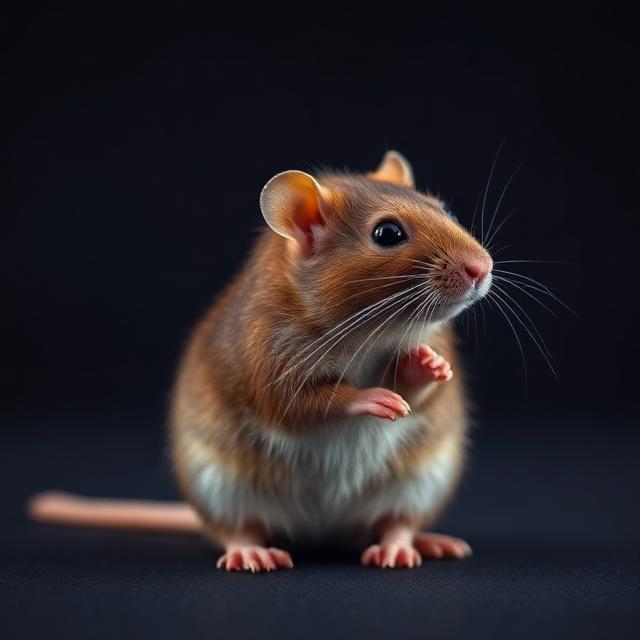
Rats & Mice
Gnaw electrical wiring (a leading cause of house fires) and contaminate food with urine and droppings.

Brushtail Possum
Native and PROTECTED. Loud roof guests that can only be excluded — not killed or relocated far from home.

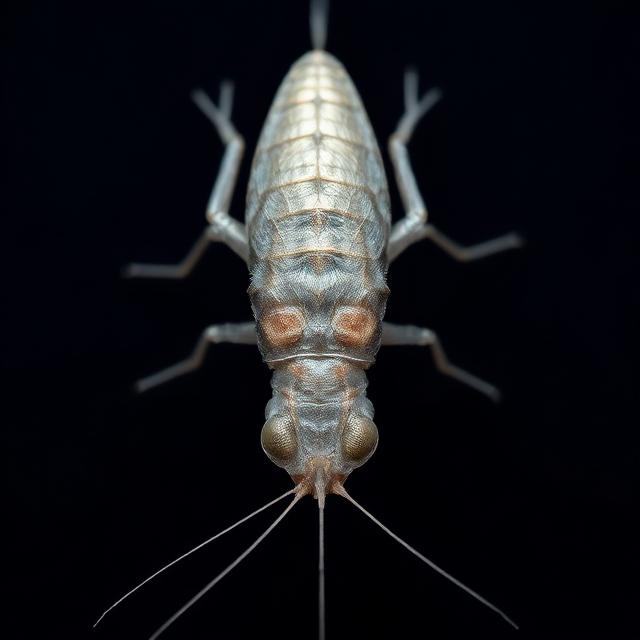
Silverfish
Lepisma saccharina
Silvery wingless insects that eat paper, fabric and starches. Loves damp bathrooms and storage boxes.

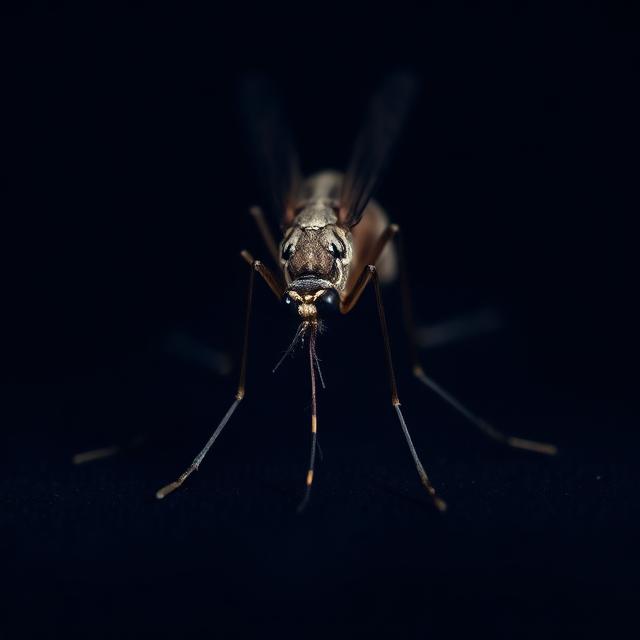
Mosquito
More than a nuisance — Australian mosquitoes spread Ross River, Barmah Forest and Japanese Encephalitis viruses.

European Wasp
Aggressive introduced wasp. Can sting repeatedly and causes anaphylaxis in sensitive people.

Cat Flea
Bites cause intense itching and can transmit tapeworms. 95% of an infestation lives in carpets, not on the pet.

Bed Bug
Resurgent global pest. Hitchhikes home in luggage from hotels. Extremely hard to eradicate without professional help.

White-tailed Spider
Common Australian spider often blamed for necrotic ulcers. Bite is usually a mild local reaction, but can be painful.

Coastal Brown Ant
Two-sized ants that nest under pavers and kick up sand. A major nuisance in Queensland and northern NSW gardens.

Paper Wasp
Polistes humilis
Native Australian wasp that builds open umbrella-shaped nests. Far less aggressive than European wasps — leave alone if possible.

Carpet Beetle
Tiny beetles whose larvae eat wool, silk, feathers and leather. Common in homes with natural fibre carpets.

Indian Meal Moth
The most common pantry pest in Australia. Larvae spin silk webs through flour, grains and nuts.

Portuguese Millipede
Introduced species that invades homes in plague numbers after autumn rains. Crushes into a smelly stain.

European Earwig
Nocturnal insects with pincers at the rear. Harmless to humans but a nuisance in gardens and homes.

Slater (Woodlouse)
Harmless crustaceans that roll into a ball. A sign of dampness and decaying organic matter.

Daddy Long-Legs Spider
The classic cobweb spider in ceiling corners. Harmless to humans and actually preys on redbacks.

Drain Fly
Clogmia albipunctata
Small fuzzy moth-like flies that breed in the slimy gunk inside drains. A sign of organic build-up.

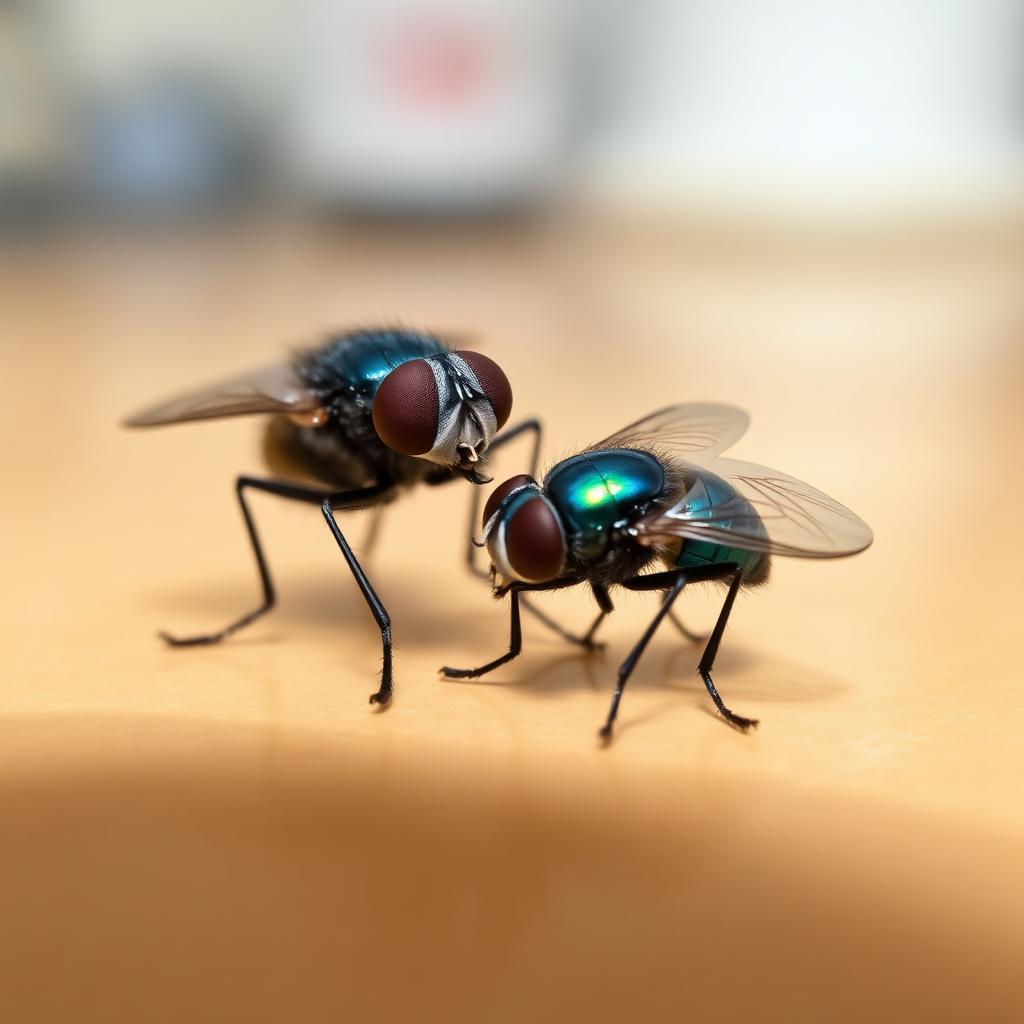
Fruit Fly
Tiny tan flies with red eyes that swarm around ripe fruit and bins. Explode in numbers in 7–10 days.

Funnel Ant
Native lawn ant that builds small soil funnels and undermines turf. A major Queensland and NSW lawn pest.

Carpenter Ant
Large black ants that excavate galleries in damp timber. They don't eat wood — but the damage can rival termites.

Red House Spider
A small reddish-brown cobweb spider often found indoors in Queensland. Builds messy webs but bites are usually mild.

Australian Cockroach
Large outdoor cockroach that flies well and moves indoors during humid weather. Common in Queensland and northern NSW.

American Cockroach
The largest common cockroach in Australia. Lives in sewers and drains, spreading bacteria when it enters homes.