T25 · Biting Pests
Paralysis & Brown Dog Ticks
Ixodes holocyclus / Rhipicephalus sanguineus
East-coast bushland ticks that attach to people and pets. Paralysis tick can be fatal to dogs and cats — act fast.
- Size
- Unfed 2–4 mm; engorged up to 10 mm
- Habitat
- Bushland edges, long grass, leaf litter, on pets and wildlife
- Activity
- Paralysis tick worst spring–early summer; brown dog tick year-round
Safety Warning
Paralysis tick removal: use a freeze spray (Wartner, Tick Off) or a fine tick-removal tool — do NOT squeeze the body with fingers or tweezers, as this injects more toxin. Get pets to a vet immediately if you see any wobble, change in voice, or breathing trouble. People with severe reactions or a known tick allergy should call 000.
Overview
The Australian paralysis tick (Ixodes holocyclus) is found along the east coast from north Queensland to eastern Victoria, mainly in coastal bushland and adjoining suburbs. It injects a neurotoxin that can paralyse and kill cats and dogs, and cause serious illness or allergic reactions (including the red meat allergy, alpha-gal syndrome) in people. The brown dog tick (Rhipicephalus sanguineus) is more common around dog kennels and houses with dogs, and can build up in huge numbers indoors. Control is a combination of yard management, pet protection and prompt safe removal.
How to identify
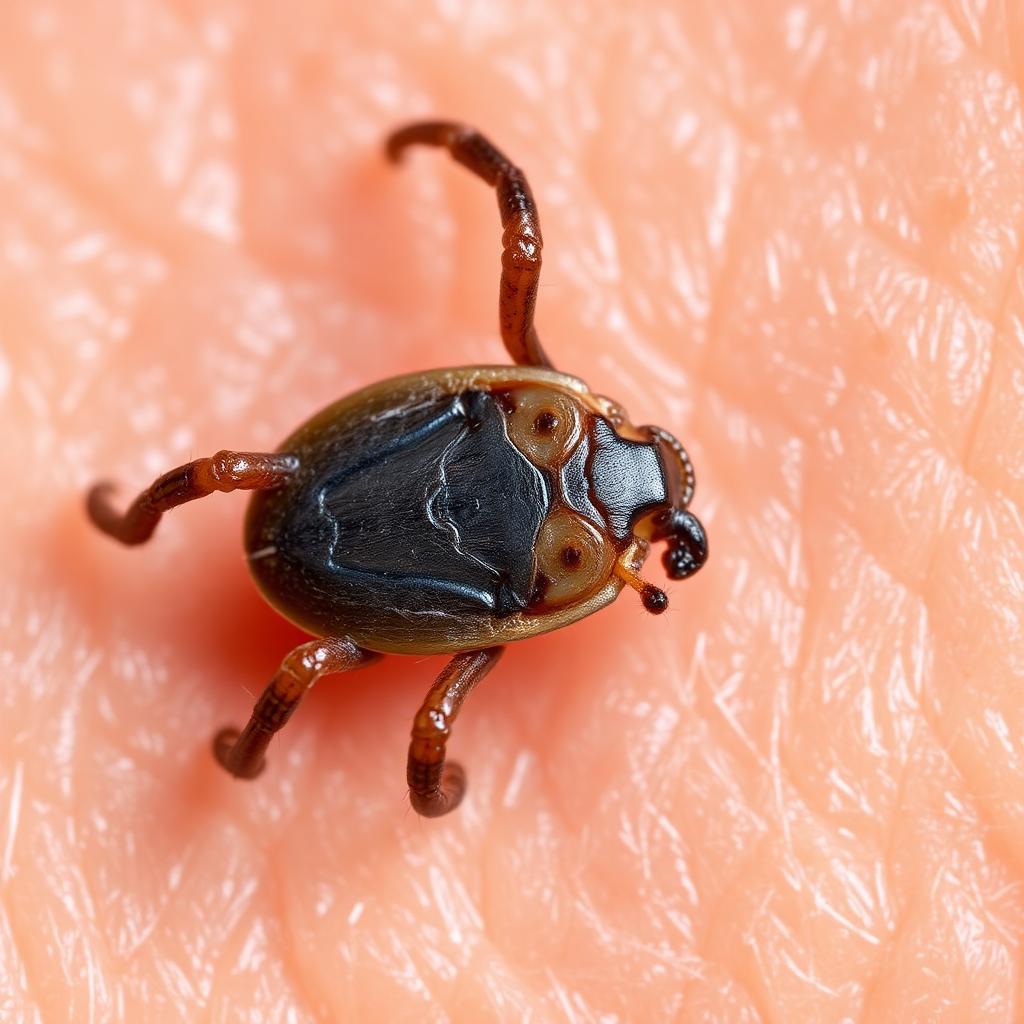
- Small flattened oval body with eight legs — not an insect
- Unfed: 2–4 mm, grey-brown; engorged: up to 10 mm and pale grey
- Paralysis tick: legs clustered toward the front, pale legs
- Brown dog tick: uniform reddish brown, often seen climbing walls and curtains indoors
- Pet symptoms: wobbly back legs, change in bark/meow, vomiting, breathing trouble — emergency
General guidance only. Information on Home Pest Defence is provided for educational purposes and is not a substitute for professional advice. For termites, venomous spider bites, wasp nests in walls, or protected wildlife, contact a licensed pest controller, your GP, or the relevant state wildlife authority. In emergencies call 000; for poisoning call 13 11 26.