M17 · Pantry & Fabric
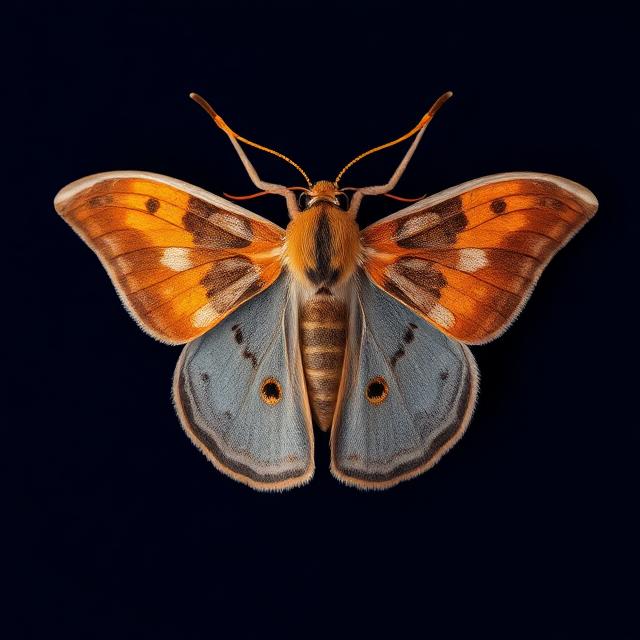
Indian Meal Moth
Plodia interpunctella
The most common pantry pest in Australia. Larvae spin silk webs through flour, grains and nuts.
- Size
- 8–10 mm (wingspan 16–20 mm)
- Habitat
- Pantry, dry goods, bird seed, pet food
- Activity
- Year-round, peak in summer
Overview
Pantry moths hitchhike home in dry goods from the supermarket. A single infested packet can seed your whole pantry. The larvae eat through packaging and spin messy silk webbing through food. They can breed in the tiniest spills of flour or crumbs. Once established, they require a full pantry clean-out to eliminate.
How to identify
- Adult: small moth, bronze outer half of wings, grey inner half
- Larvae: pale pinkish-white caterpillars with dark heads
- Silk webbing and frass in flour, grains, nuts and pet food
- Moths flying in a zig-zag pattern around the kitchen at dusk
Pro Tip
Freezing new dry goods for 72 hours before storing kills any hitchhiking eggs. It's the best prevention.
General guidance only. Information on Home Pest Defence is provided for educational purposes and is not a substitute for professional advice. For termites, venomous spider bites, wasp nests in walls, or protected wildlife, contact a licensed pest controller, your GP, or the relevant state wildlife authority. In emergencies call 000; for poisoning call 13 11 26.