
F11 · Biting Pests
Cat Flea
Ctenocephalides felis
Bites cause intense itching and can transmit tapeworms. 95% of an infestation lives in carpets, not on the pet.
- Size
- 1.5–3 mm
- Habitat
- Pet bedding, carpets, sub-floors
- Activity
- Year-round, peaks in summer
Overview
Only 5% of a flea infestation is on your pet — the rest is eggs, larvae and pupae in carpets, bedding and floor cracks. Pupae can lie dormant for months and hatch when they detect vibration or CO₂. That's why infestations explode when people return from holidays. Treatment must cover the pet AND the environment, or you'll be fighting it forever.
How to identify
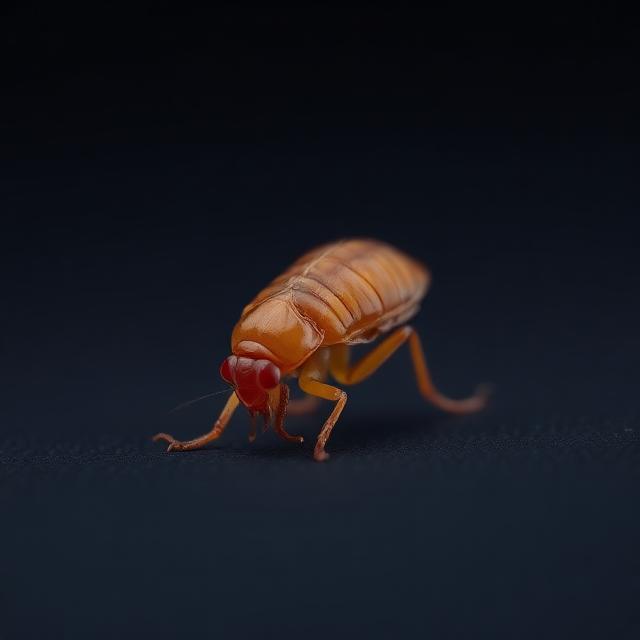
- Tiny dark brown, flattened wingless insects that jump
- 'Flea dirt' (digested blood) on pet bedding — looks like ground pepper, turns red on a wet tissue
- Itchy red bites in clusters around ankles and lower legs
- Pet scratching, especially around the base of the tail
General guidance only. Information on Home Pest Defence is provided for educational purposes and is not a substitute for professional advice. For termites, venomous spider bites, wasp nests in walls, or protected wildlife, contact a licensed pest controller, your GP, or the relevant state wildlife authority. In emergencies call 000; for poisoning call 13 11 26.